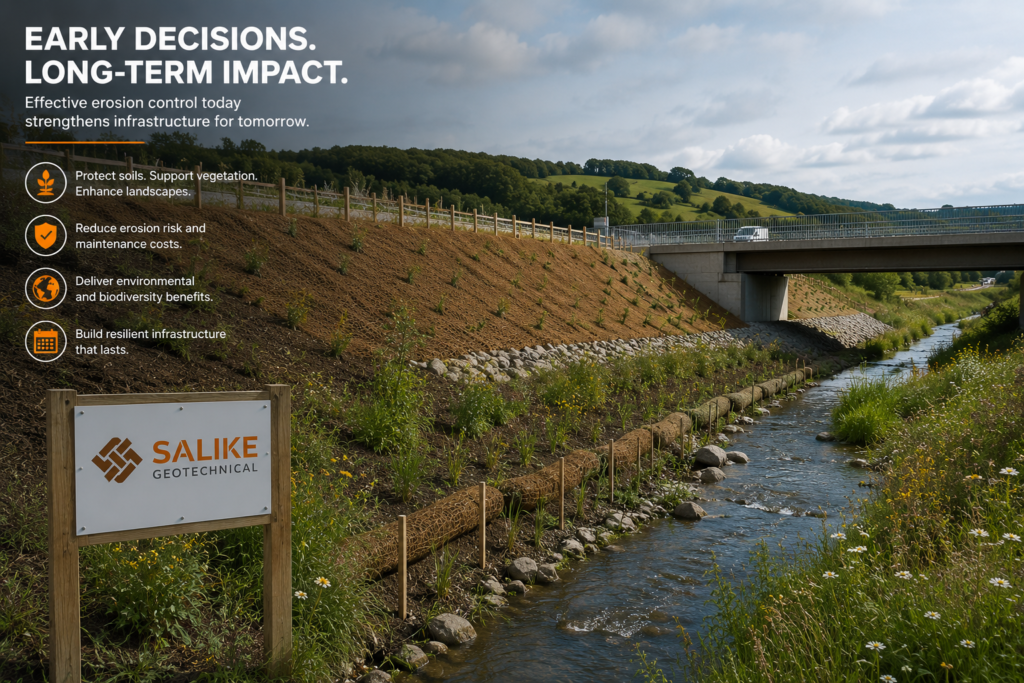
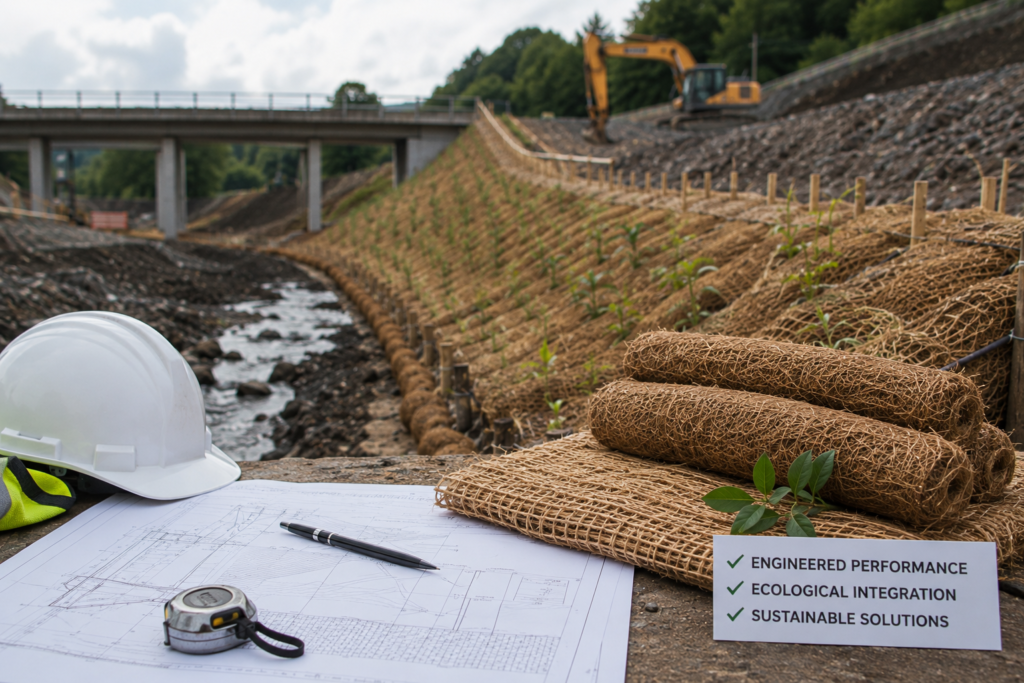
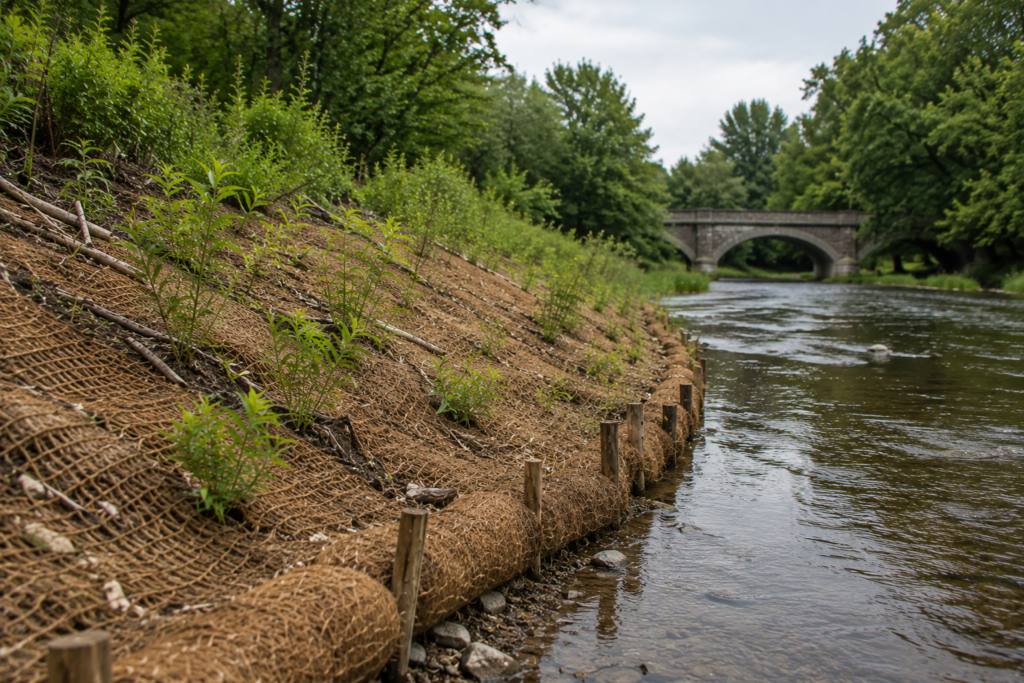
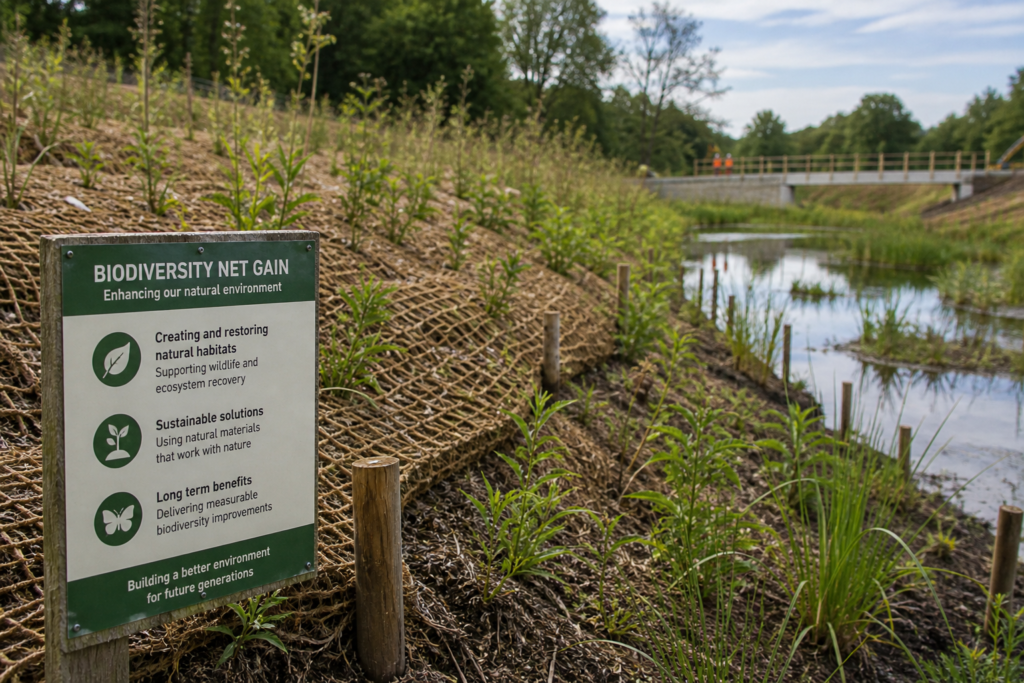
A new generation of erosion control and land remediation systems is emerging, one that combines engineering performance with environmental responsibility. Salike® intends to lead that transition. At a time when infrastructure delivery is increasingly shaped by carbon accountability, biodiversity obligations and long-term environmental stewardship, Salike® Geotechnical is establishing itself as one of the United Kingdom’s […]
Beyond Advocacy: the need for engineering clarity Nature based solutions have become central to modern infrastructure discourse. Within geotechnical engineering and erosion control, natural fibre systems, including coir based products, are increasingly specified as part of a broader shift towards sustainable, low impact design. However, as adoption grows, so too does the risk of oversimplification. […]
Reframing decision making in geotechnical design and infrastructure delivery A Shift in what defines value In earthworks and geotechnical engineering, material selection has traditionally been driven by a combination of cost, availability and performance. Procurement decisions have often prioritised upfront pricing, with limited consideration given to the broader environmental implications of those choices. This approach […]
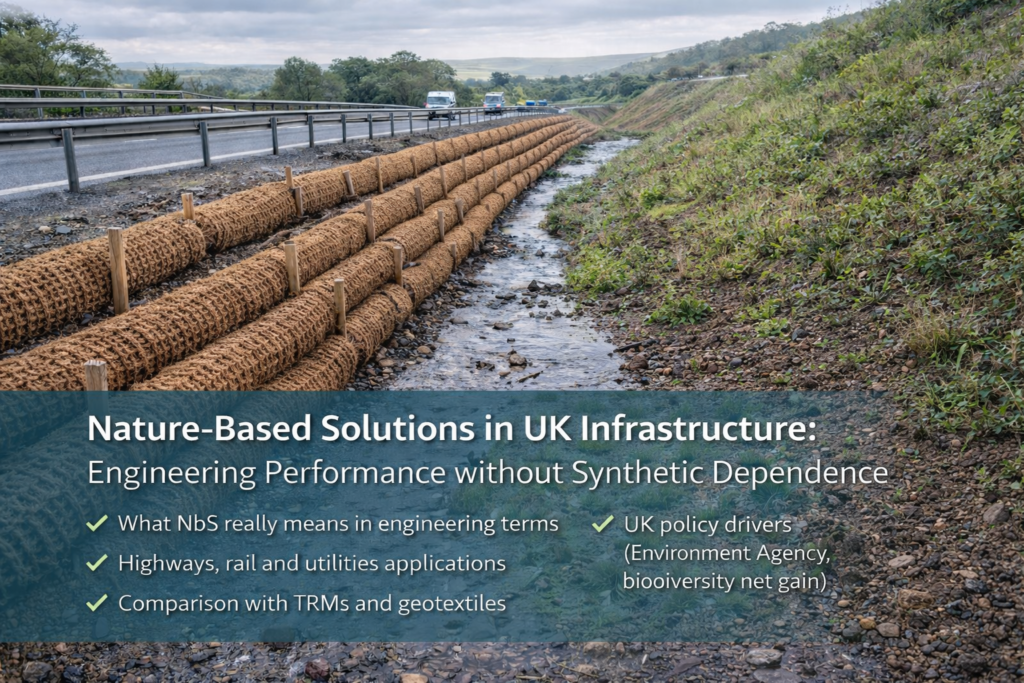
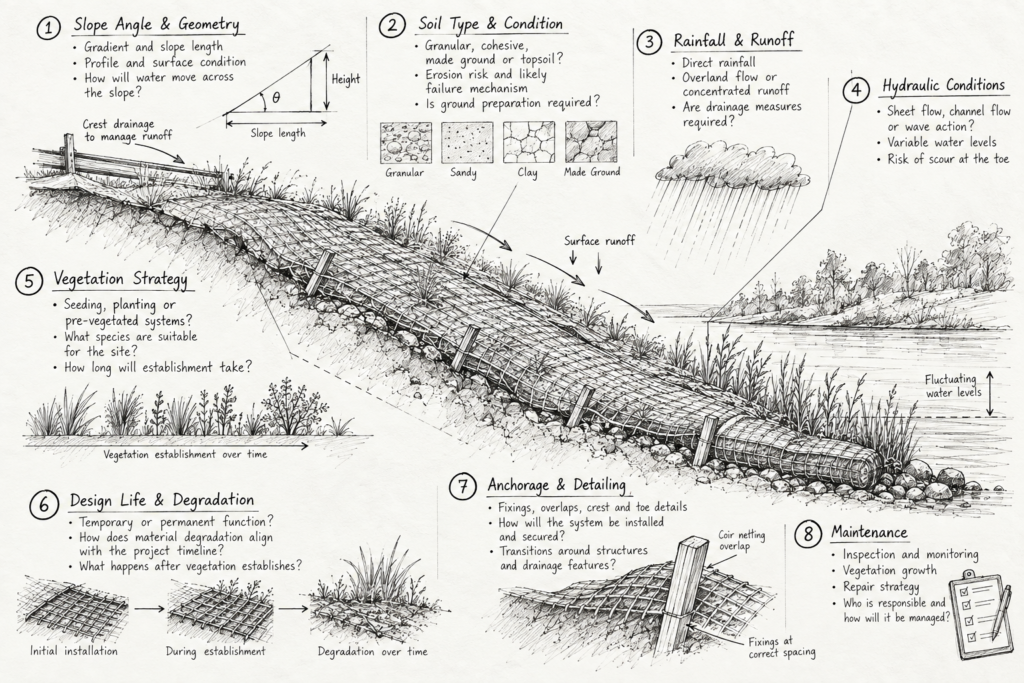
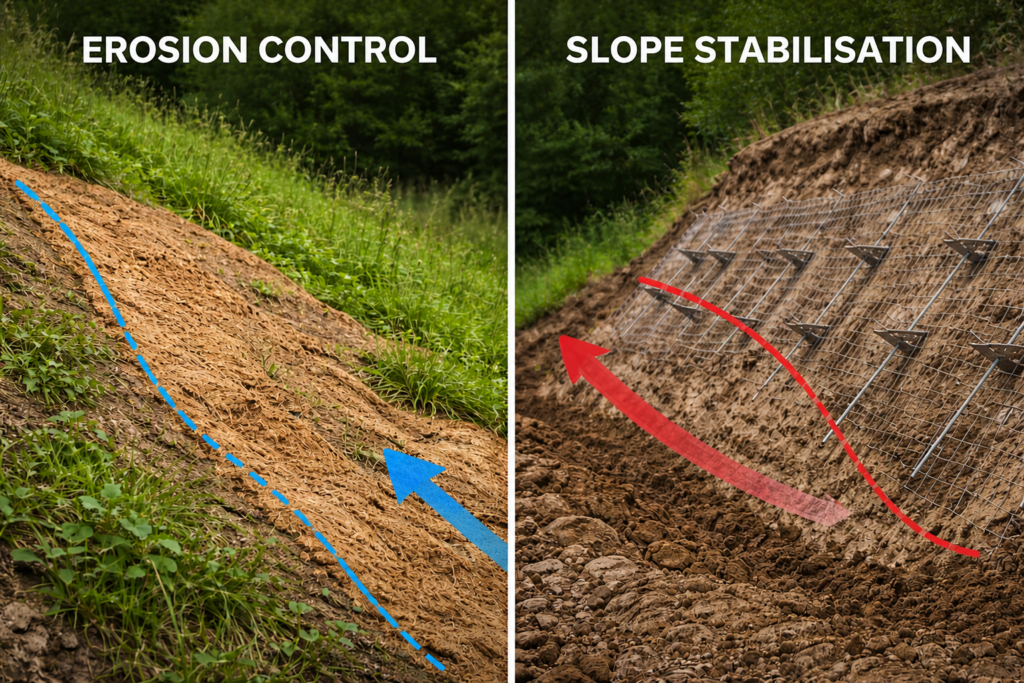
Distinguishing surface protection from structural stability in modern earthworks engineering A common misconception in practice Within geotechnical design, the terms erosion control and slope stabilisation are often used interchangeably. In practice, however, they address fundamentally different challenges and confusing the two can lead to inappropriate material selection, underperformance and, in some cases, system failure. Erosion […]
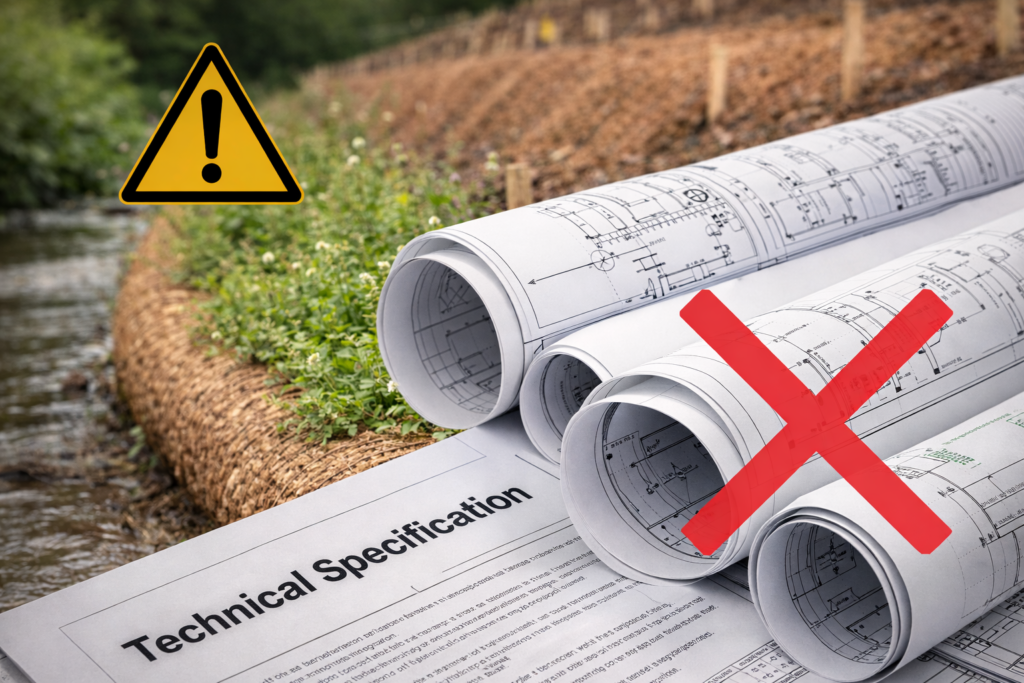
Policy has moved, specifications have not The United Kingdom’s infrastructure landscape is undergoing a fundamental shift. Legislative and regulatory frameworks now place environmental performance, carbon reduction and biodiversity at the centre of design and procurement decisions. The Climate Change Act 2008 establishes a legally binding commitment to achieve net zero greenhouse gas emissions by 2050. […]
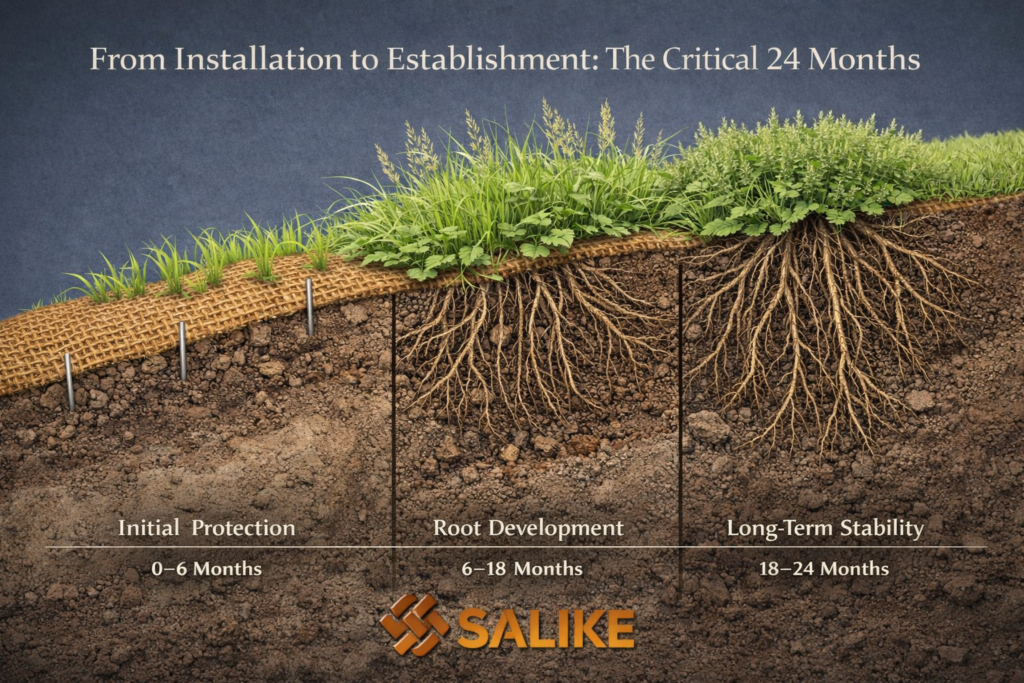
Introduction: The most overlooked phase in slope engineering In engineered slope stabilisation, the focus often centres on installation specifications, tensile strengths, anchorage systems and compliance. Yet the most decisive period in determining whether a slope succeeds or fails frequently occurs after installation during the first 24 months. This early establishment phase is not simply a “grow […]
Rethinking the role of material longevity Within traditional geotechnical engineering, material selection has long been guided by a singular principle: durability. Systems are designed to resist degradation, maintain integrity and remain in place for extended periods, often far beyond the timeframe in which their primary function is required. This approach has shaped the widespread adoption […]
For decades, erosion control within geotechnical engineering has been guided by a fundamental, often unquestioned assumption: that durability equates to permanence. Materials specified for slope protection, channel stabilisation and surface erosion mitigation have traditionally been selected on the basis of their ability to remain in situ indefinitely, resisting degradation and maintaining structural integrity over extended […]
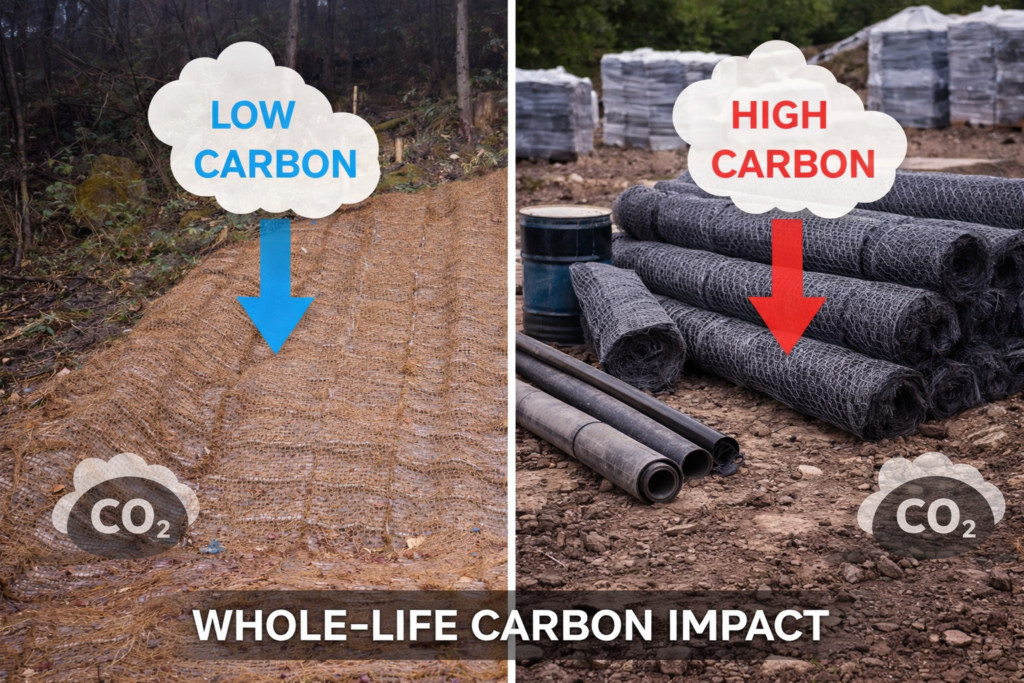
Carbon accountability is no longer confined to operational energy. Within infrastructure and ground engineering, embodied carbon has become a primary determinant of design strategy, procurement evaluation and long-term asset stewardship. For geotechnical engineers, this shift has tangible implications. Material selection in earthworks — including erosion control systems, slope stabilisation products and temporary reinforcement measures — […]
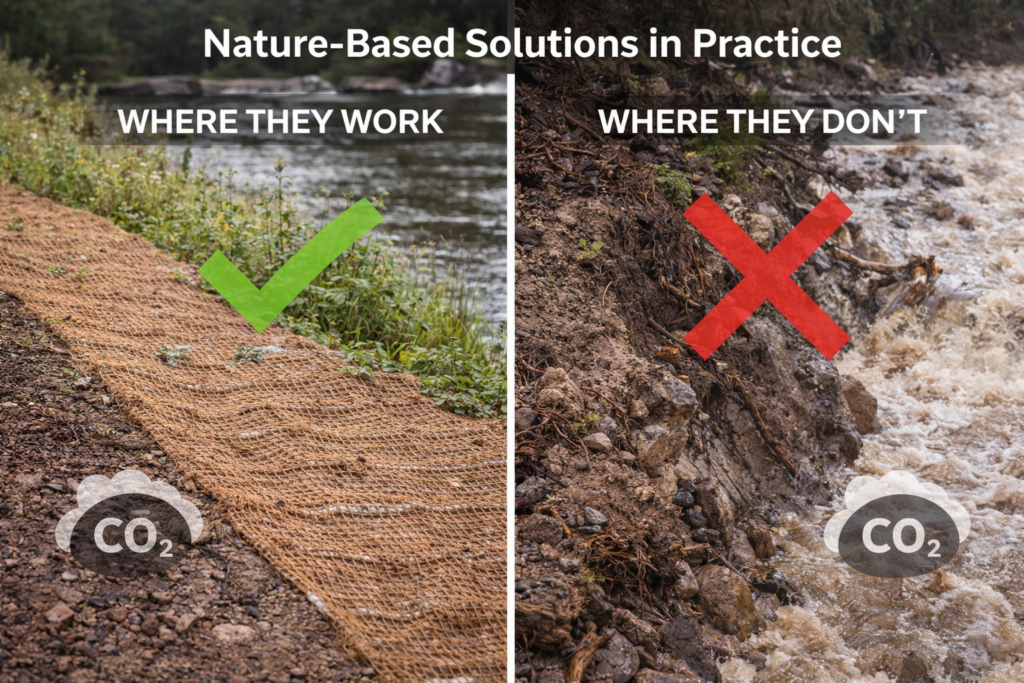
The language of Nature Based Solutions (NbS) has rapidly entered the vocabulary of UK infrastructure delivery. Yet for engineers, consultants and asset owners, terminology alone is insufficient. What matters is not whether a solution is described as “natural”, but whether it performs structurally, hydraulically and over its intended design life while aligning with regulatory and environmental obligations. […]
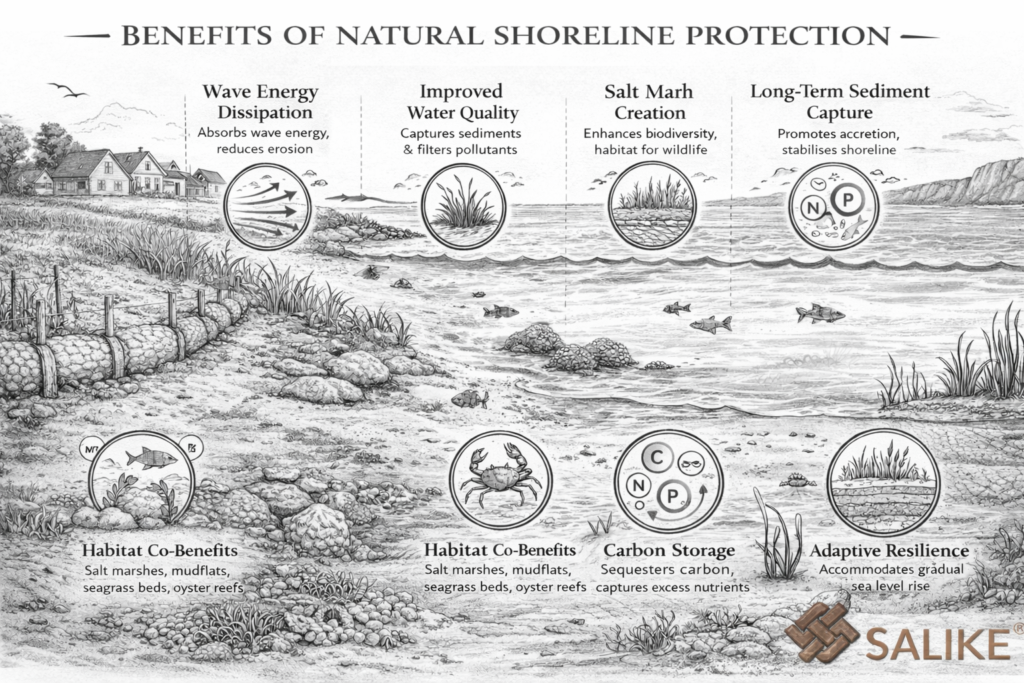
Coastal resilience in the United Kingdom is entering a more technically nuanced phase. The question is no longer whether a shoreline should be defended, but how it should be stabilised in a manner consistent with sediment dynamics, habitat objectives and whole life carbon accountability. In estuarine and transitional coastal environments, rigid revetments and vertical structures […]
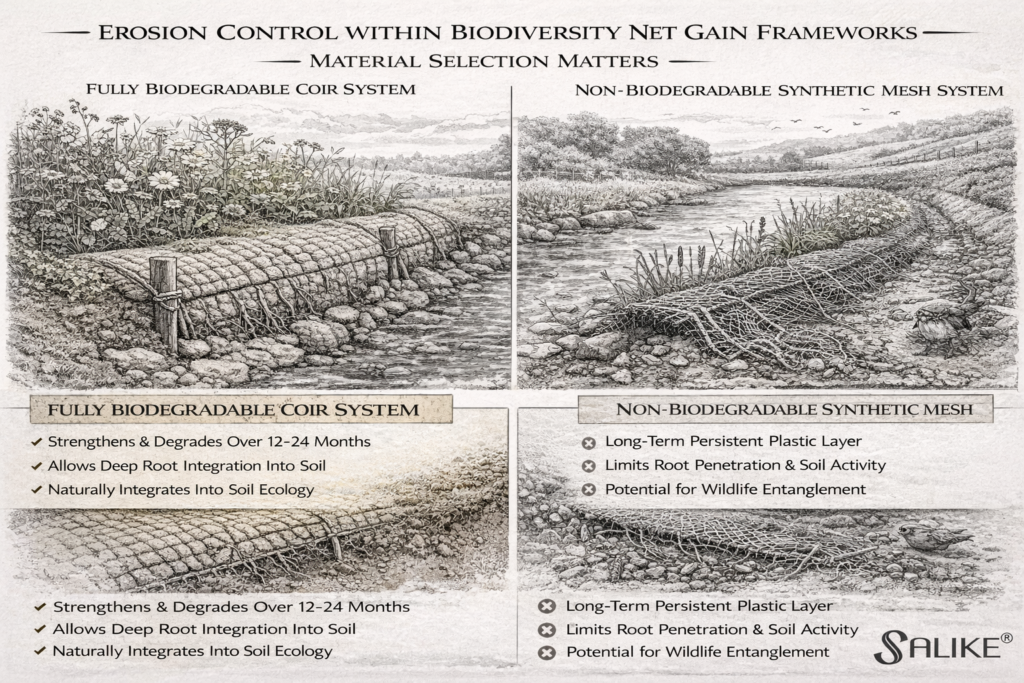
Introduction: Biodiversity Net Gain Is Now Statutory — Not Aspirational Since February 2024, Biodiversity Net Gain (BNG) has become a statutory requirement under the Environment Act 2021 for most developments in England. Developers must now demonstrate a minimum 10% measurable uplift in biodiversity value. This shift has fundamentally altered how infrastructure, river restoration, highways embankments and land […]
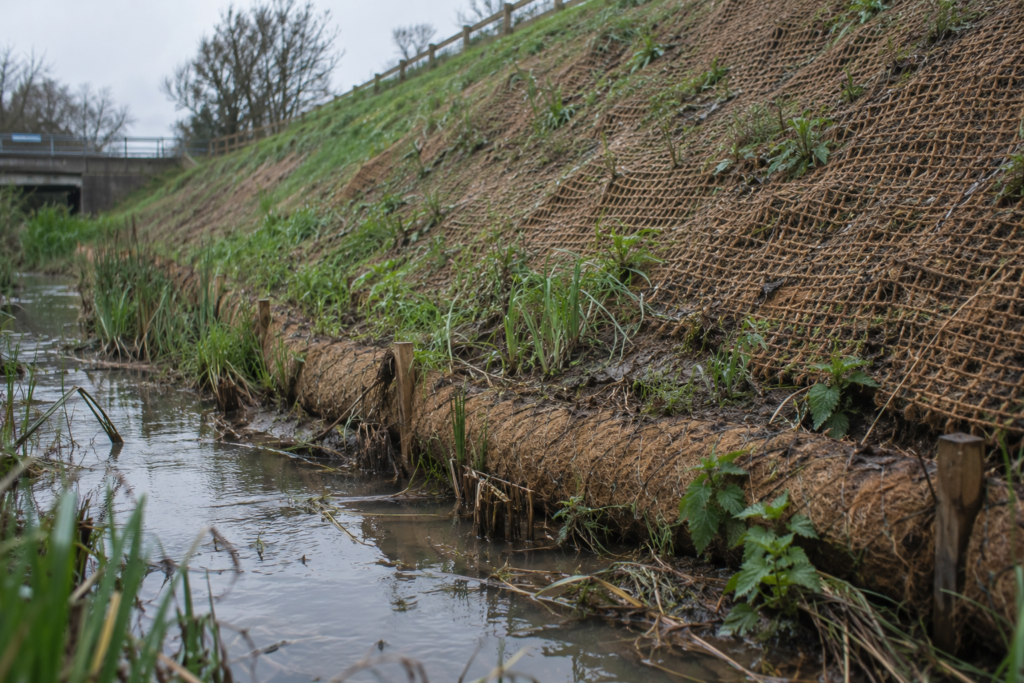
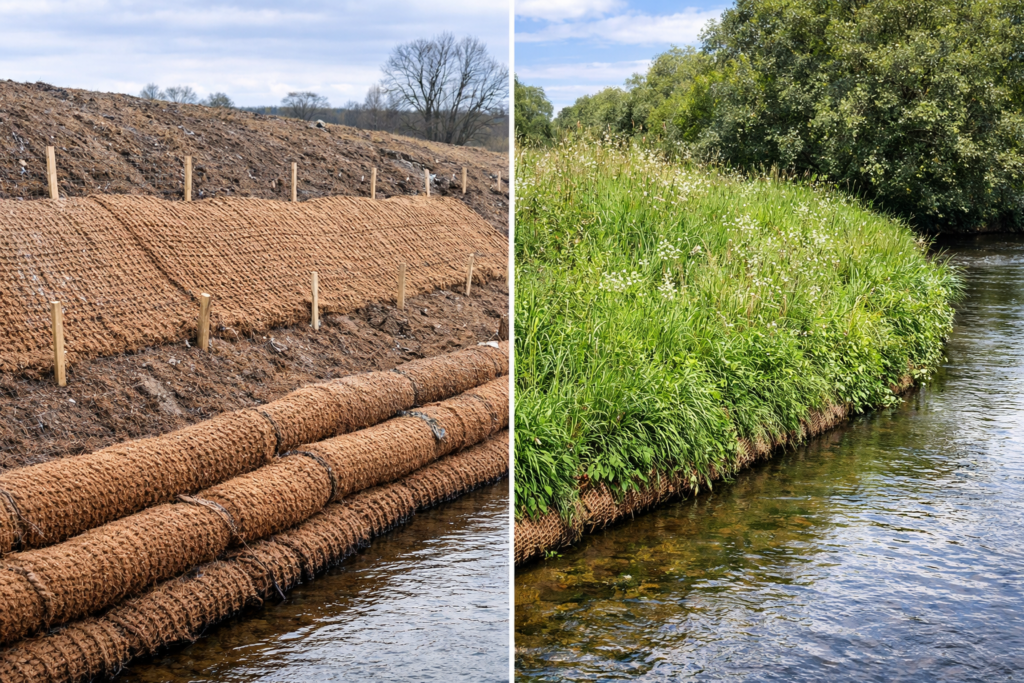
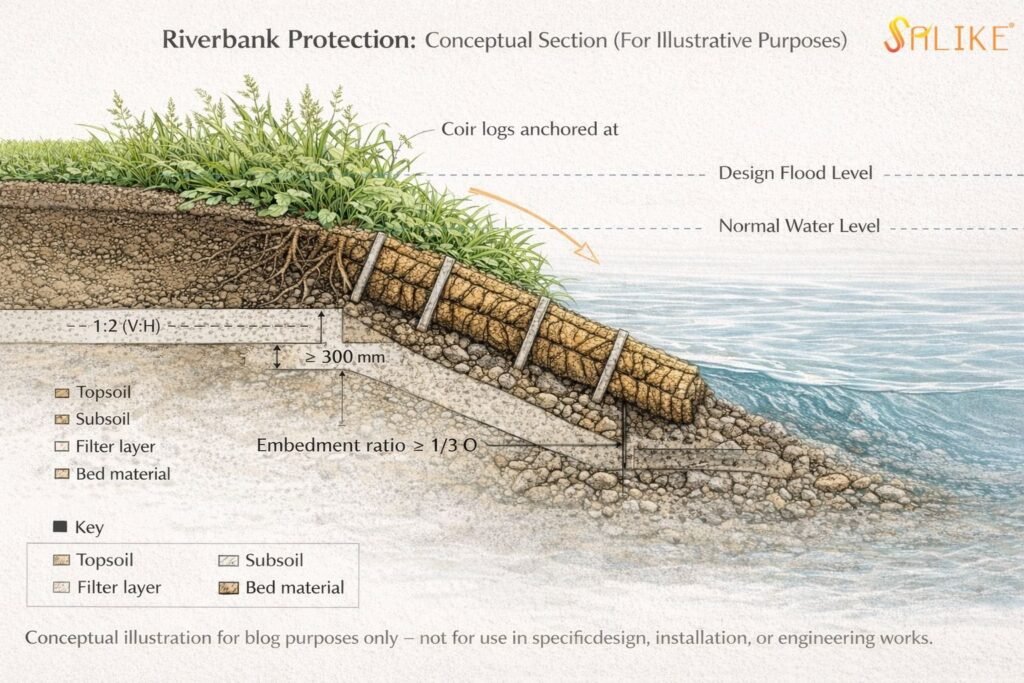
Introduction: Moving beyond surface protection Riverbank stabilisation is often misunderstood as an erosion control exercise. In reality, it is a hydraulic engineering challenge governed by force, velocity, scour dynamics and soil mechanics. Bioengineered solutions when properly designed do not merely prevent surface erosion. They integrate structural toe defence, hydraulic energy dissipation and vegetative reinforcement into […]
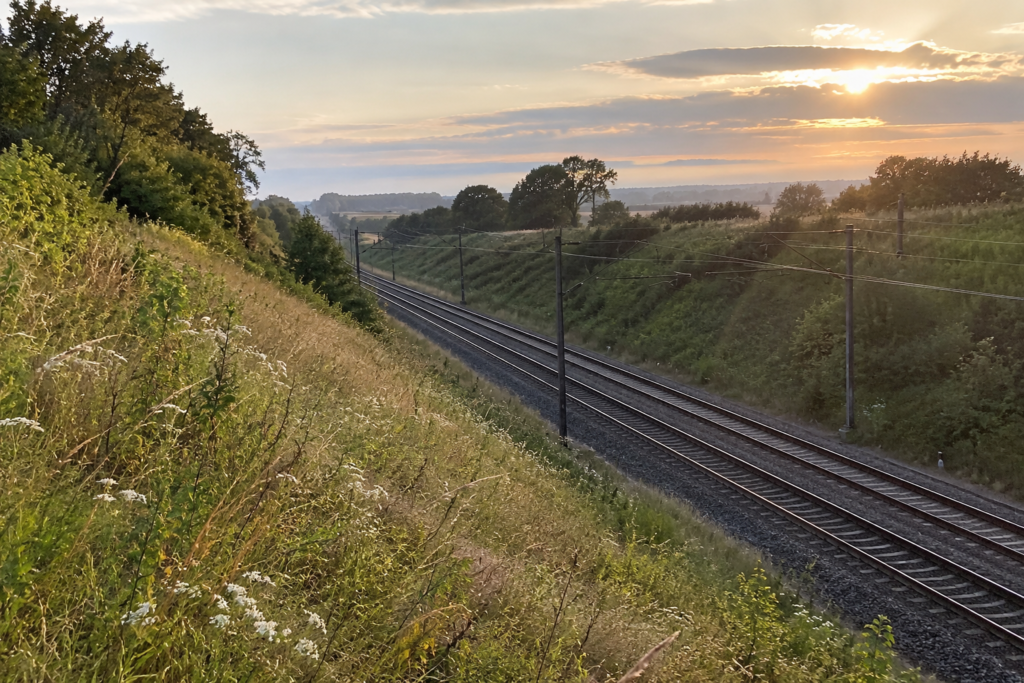
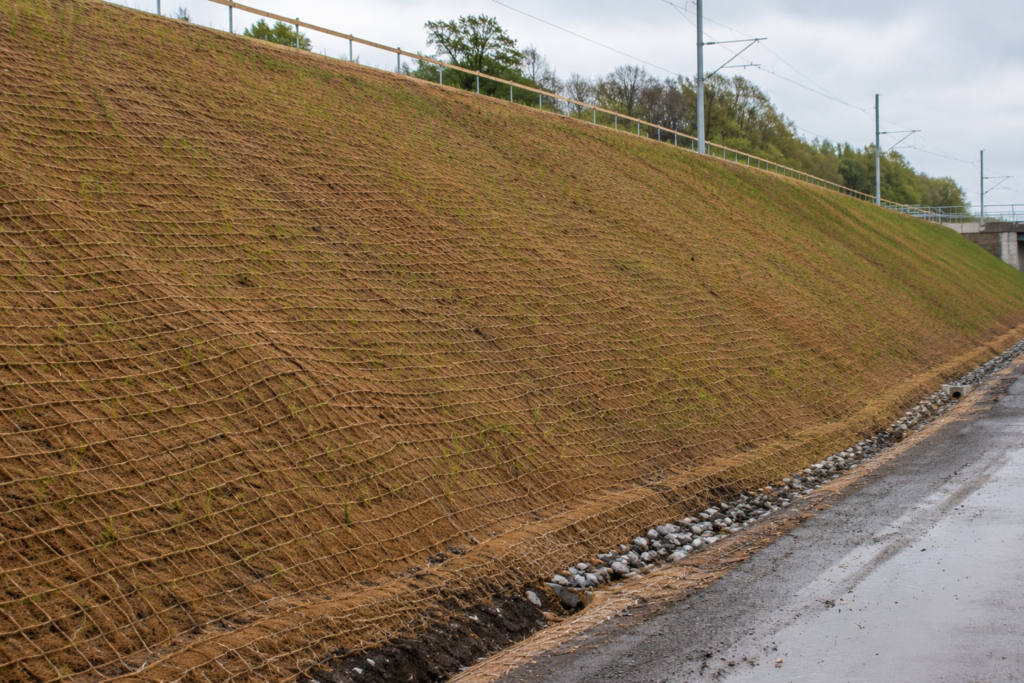
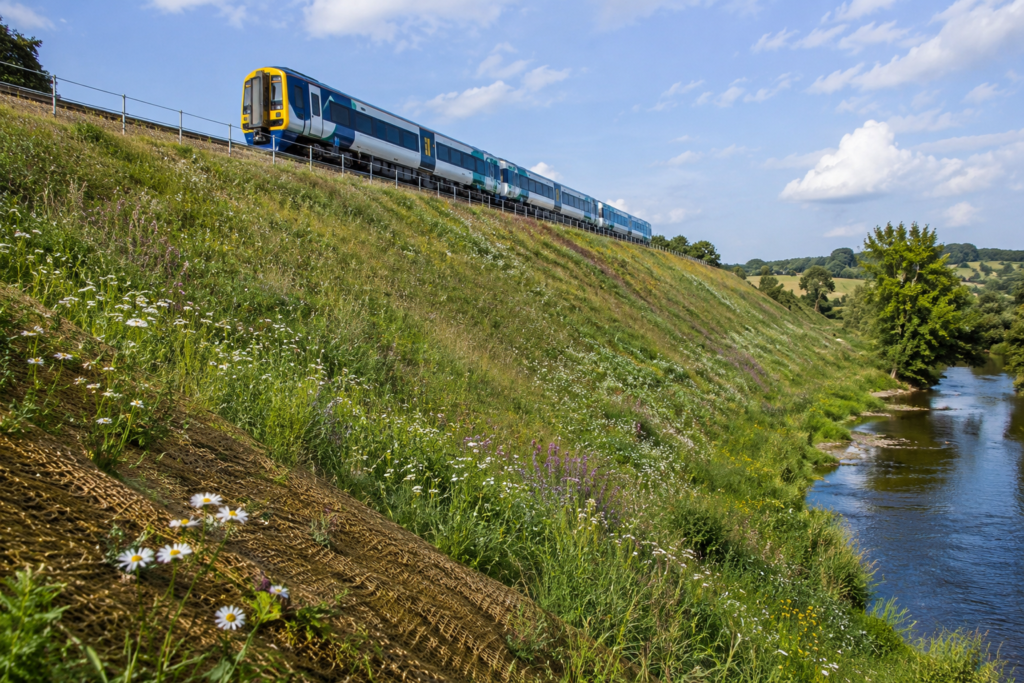
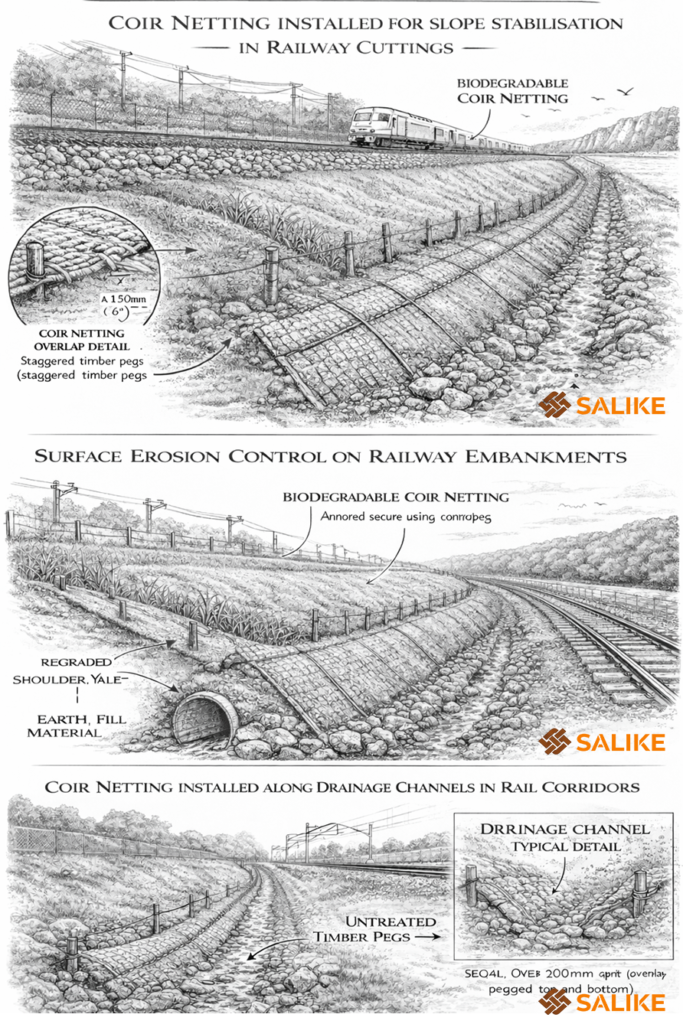
A Natural Fibre Engineering Approach to Surface Erosion Control in Rail Infrastructure Railway earthworks represent some of the most scrutinised and maintenance sensitive assets within the United Kingdom’s infrastructure portfolio. Cuttings and embankments are subject to continual weathering, cyclic saturation, vegetation stress and operational vibration. When surface erosion is left unmanaged, it can accelerate shallow […]
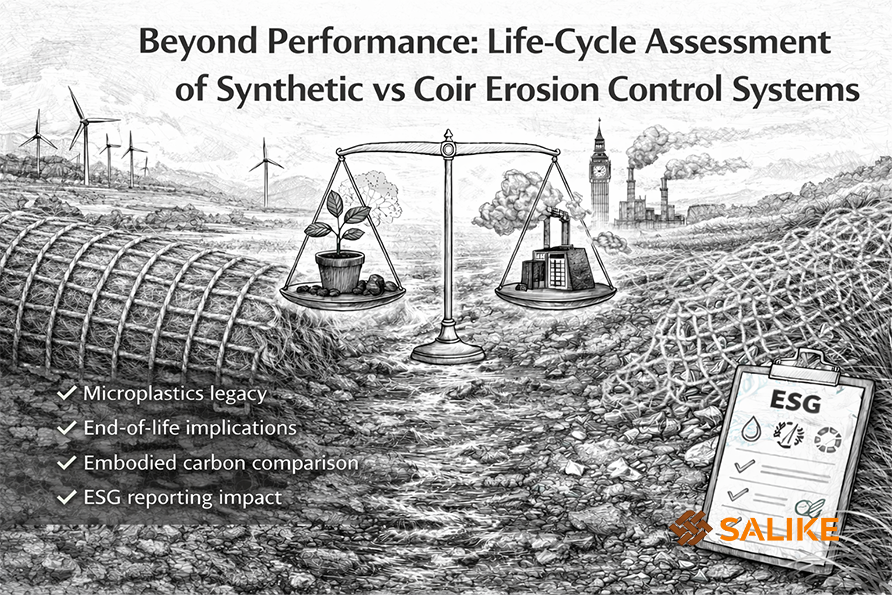
Engineering decisions in the age of carbon accountability As infrastructure delivery in the United Kingdom becomes increasingly shaped by climate policy, biodiversity obligations and procurement scrutiny, material choice in erosion control can no longer be assessed solely on tensile strength or installation speed. Whole-life impact carbon, persistence, environmental legacy and reporting implications now forms part […]
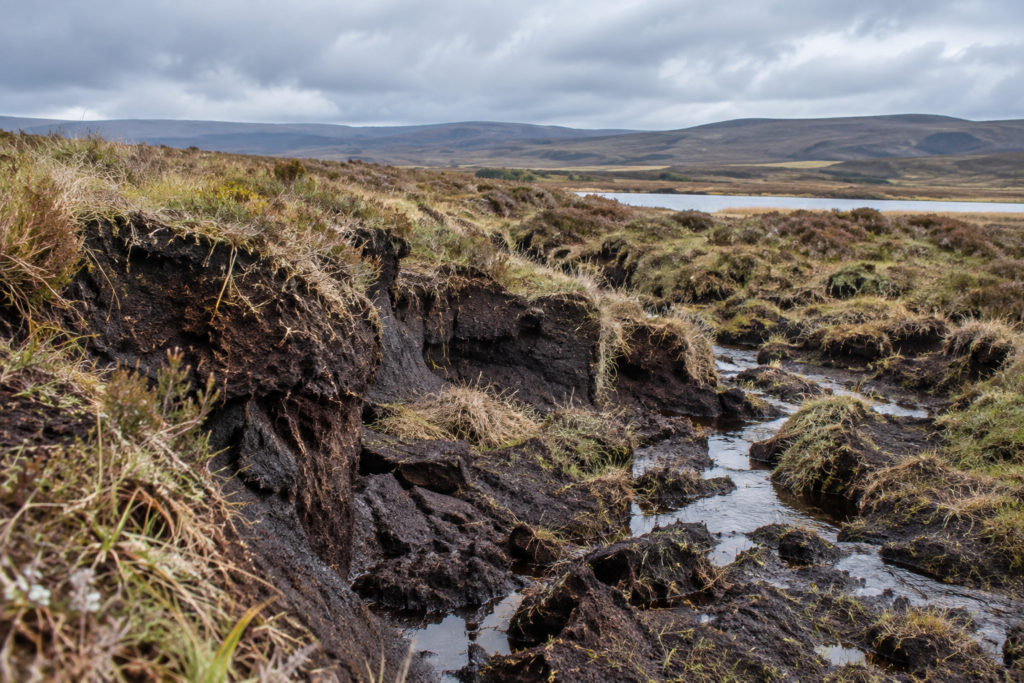
Peatlands occupy a singular and irreplaceable position within the United Kingdom’s natural capital. According to the UK Government and its statutory advisory bodies, peat soils store more carbon than all the forests of the UK combined, representing one of the nation’s most significant terrestrial carbon reservoirs (Department for Environment, Food & Rural Affairs, England Peat […]
Within infrastructure delivery, temporary works are often viewed as short term necessities, important during construction phases perhaps, but secondary to the permanent engineering systems that ultimately define the finished asset. In erosion control and geotechnical engineering, however, this assumption is increasingly being challenged. Across highways, rail corridors, river restoration schemes and major earthworks projects, decisions […]
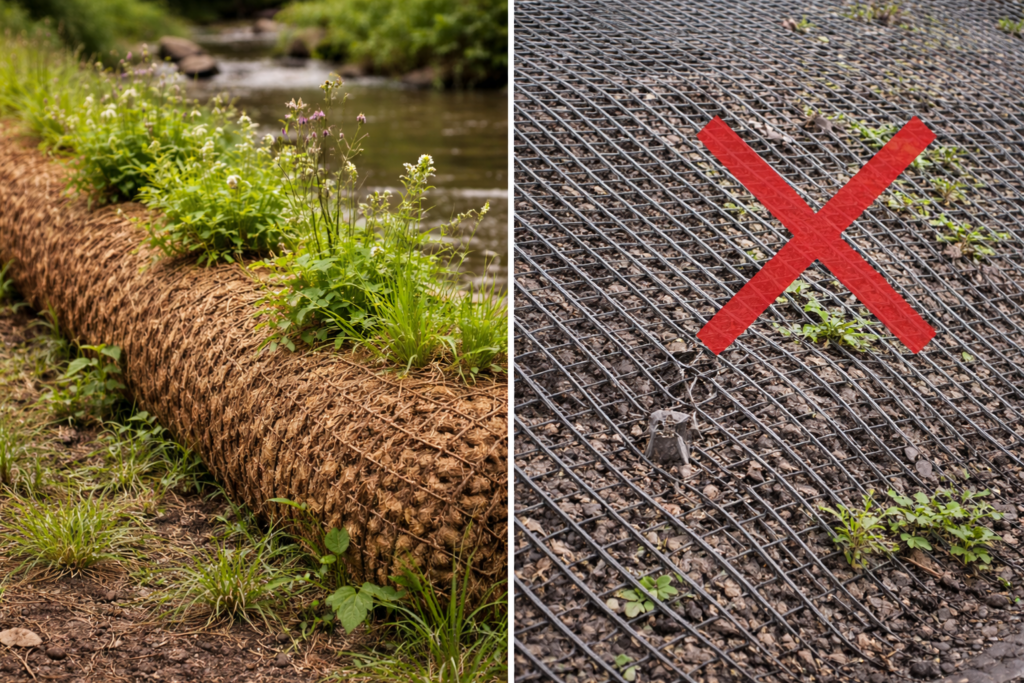
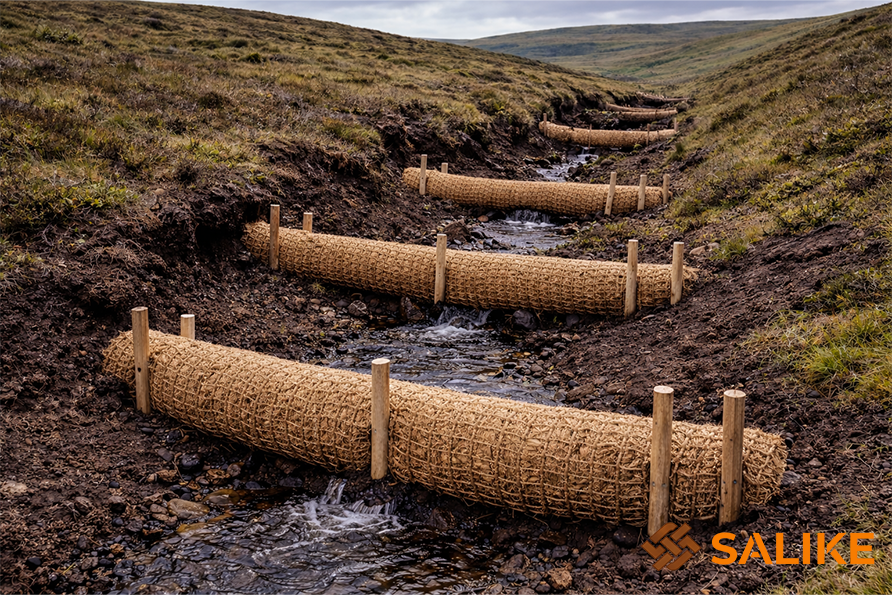
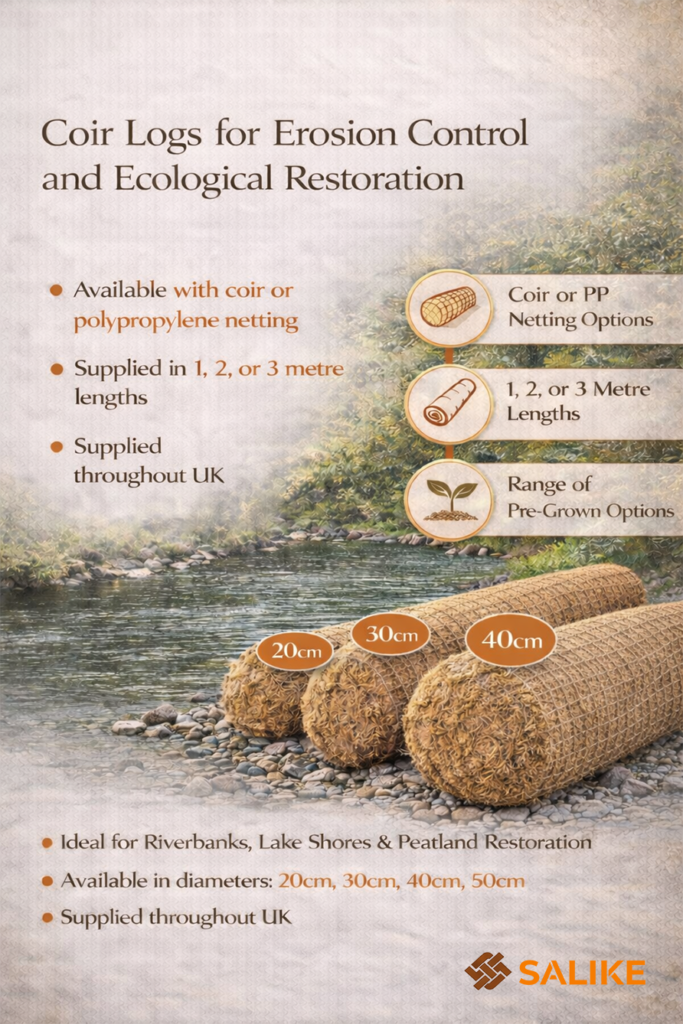
Engineering natural stability with sustainable coir As the demand for sustainable, high performance erosion control solutions continues to grow across the UK, coir logs have become a preferred choice for riverbank protection, wetland creation, peatland restoration and bioengineering projects. When correctly engineered and applied, coir logs offer an effective, environmentally responsible alternative to synthetic erosion […]
Geotechnical engineering is entering a period of significant transformation. For decades, the discipline focused predominantly on structural stability, load management and ground performance. These principles remain fundamental to infrastructure delivery and will continue to underpin the safety and resilience of civil engineering projects worldwide. However, the pressures shaping modern infrastructure are evolving rapidly. Today’s infrastructure […]
How Salike is setting new standards in engineering led, regenerative erosion control solutions for the UK market As the environmental, regulatory and engineering demands placed upon land management continue to intensify, the erosion control and geotechnical sectors are undergoing a period of material change. Specifiers, contractors and asset owners alike are increasingly required to deliver […]
For much of modern infrastructure history, the primary objective of engineering was clear: minimise environmental disruption while delivering functional, durable assets. Today, that expectation is evolving. Across the UK and international infrastructure sectors, a growing number of engineers, planners and environmental specialists are beginning to ask a more ambitious question not simply how to reduce […]
Within erosion control and geotechnical engineering, project success has traditionally been measured at the point of installation. If a slope was stabilised, a riverbank secured or an embankment protected immediately following construction, the intervention was often considered complete from an engineering perspective. Yet across infrastructure networks throughout the UK, the long-term reality is often far […]
Within parts of the civil engineering and geotechnical sectors, natural fibre erosion control systems are still occasionally viewed as secondary alternatives to conventional synthetic materials suitable for environmentally sensitive projects perhaps, but not always associated with high-performance infrastructure delivery. That perception is increasingly outdated. As infrastructure design evolves towards lower-carbon delivery models and more environmentally […]
Riverbank engineering is undergoing a significant transformation. For many years, river management strategies across the UK focused predominantly on hydraulic control and structural reinforcement. Concrete walls, steel sheet piling, riprap armouring and heavily engineered flood channels became standard responses to erosion, instability and flood risk in both urban and rural environments. While these systems continue […]
Biodiversity Net Gain is rapidly reshaping how land development and infrastructure projects are planned, assessed and delivered across the UK. What was once treated primarily as an environmental planning consideration is increasingly influencing engineering design, procurement strategy and long term land management decisions throughout the construction sector. As Biodiversity Net Gain requirements become embedded within […]
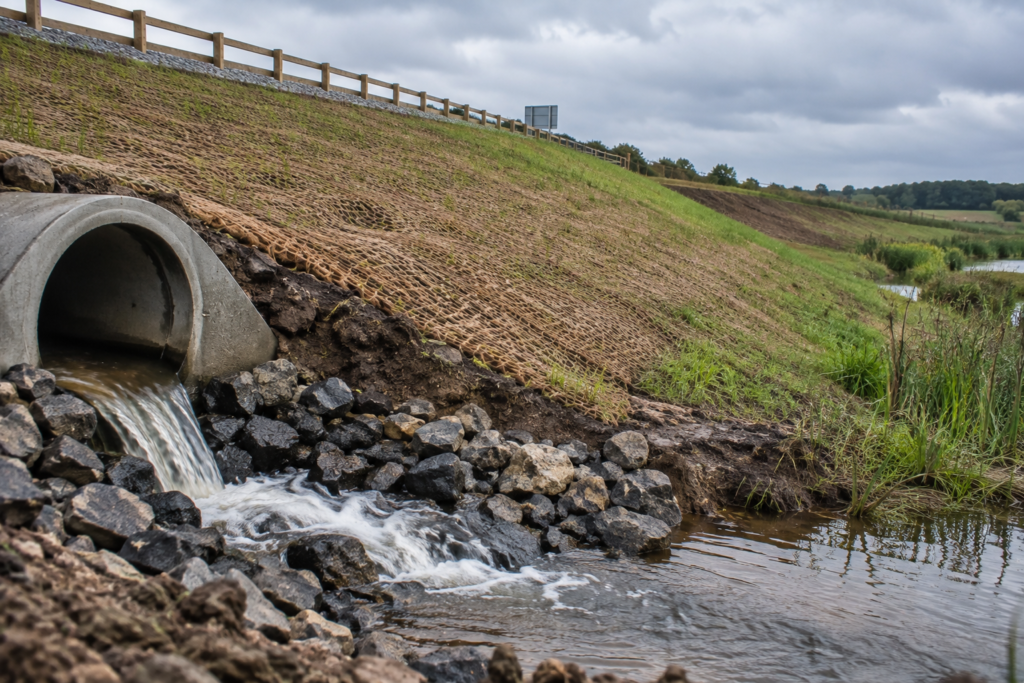
Across the UK, rainfall patterns are changing. While flooding and extreme weather events have always formed part of the natural environment, the frequency and intensity of short duration rainfall events are becoming increasingly difficult for infrastructure owners and engineers to ignore. Surface water flooding, slope failures, drainage exceedance and erosion related asset damage are now […]
Sustainability has become one of the most widely used terms within the construction and infrastructure sectors. Across product literature, tender submissions and corporate reporting, environmental language now appears almost everywhere. Yet within geotechnical engineering and erosion control particularly, an important distinction is beginning to emerge between sustainability as a marketing exercise and sustainability as an […]
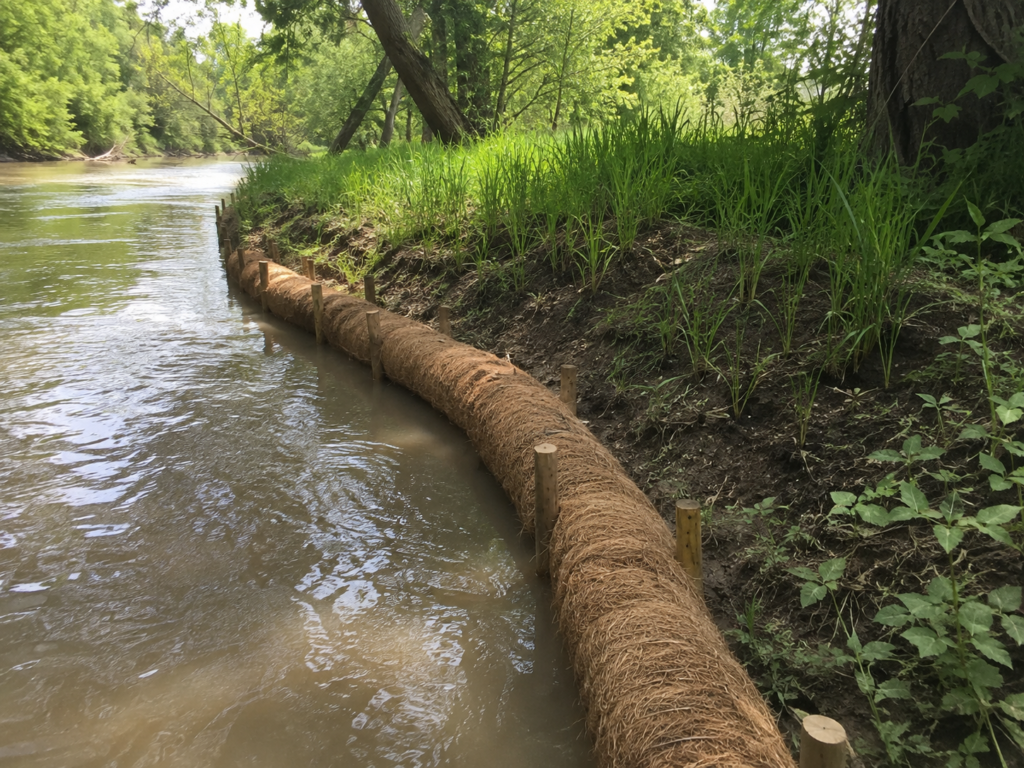
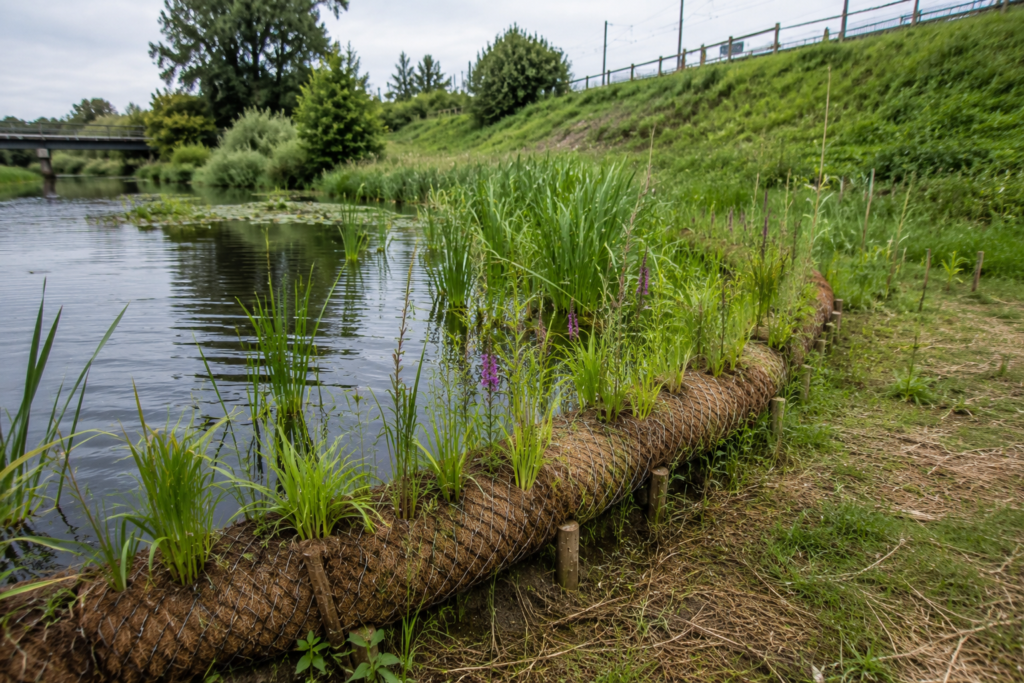
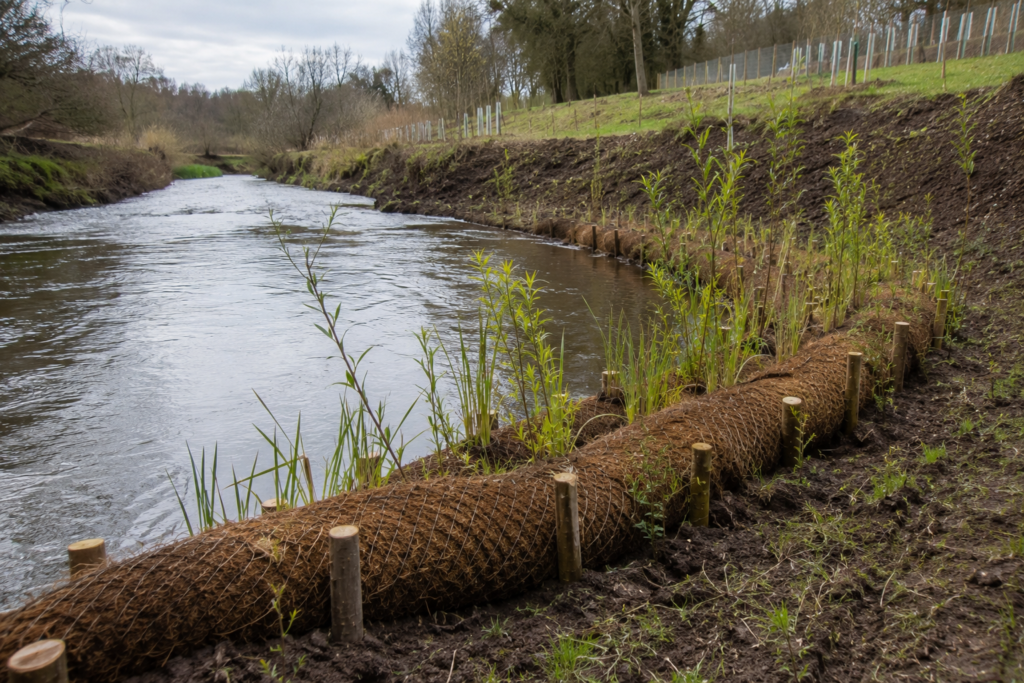
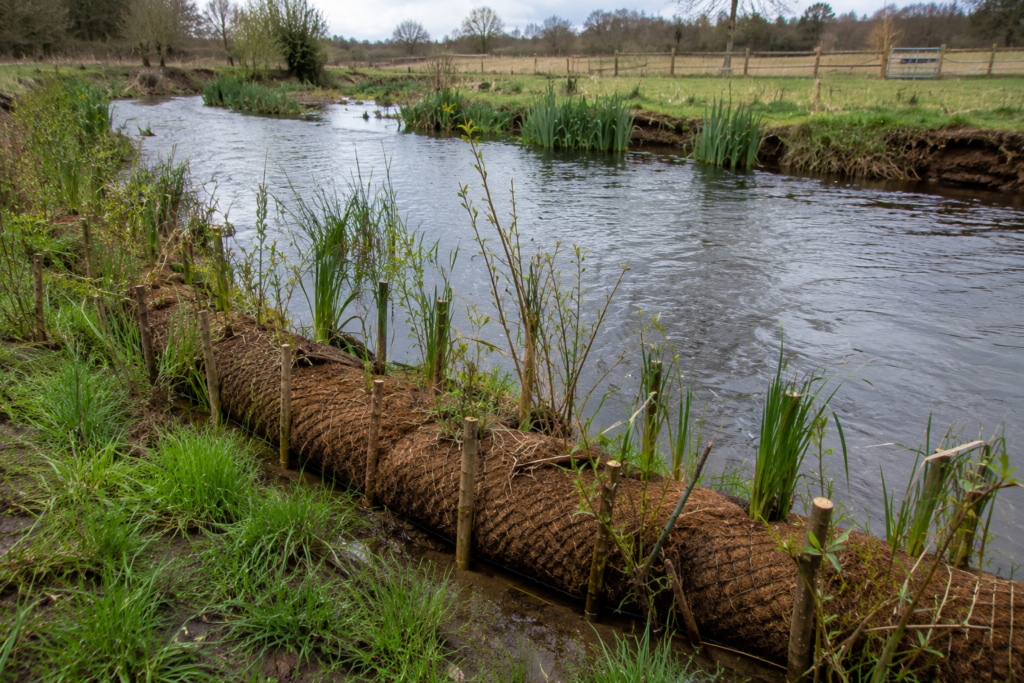
Riverbank erosion threatens not only natural habitats but also infrastructure and communities across the UK. Salike®, a leading innovator in sustainable erosion control, has demonstrated the power of natural engineering with its coir log solutions, delivering measurable success in riverbank restoration projects. The problem: managing erosion in vulnerable watercourses Riverbanks are dynamic environments subject to […]
For many years, material selection within civil engineering and infrastructure projects was driven primarily by technical performance, programme efficiency and upfront cost. If a product satisfied specification requirements and met budget constraints, it was generally considered suitable for procurement. That position is changing rapidly. Across the UK infrastructure sector, Environmental, Social and Governance (ESG) criteria […]
For much of the past two decades, carbon discussions within infrastructure delivery focused predominantly on operational performance. Energy consumption, operational efficiency and emissions during asset use understandably dominated sustainability conversations across the built environment. That position is now changing rapidly. Across civil engineering and major infrastructure projects, embodied carbon has become one of the most […]
Within modern infrastructure delivery, durability has long been treated as the defining benchmark of engineering quality. In erosion control and geotechnical applications particularly, materials capable of remaining intact for decades have traditionally been viewed as inherently superior. However, as the industry moves towards lower carbon infrastructure, ecological restoration and whole-life environmental accountability, a more important […]
As infrastructure delivery increasingly aligns with Net Zero commitments, embodied carbon is moving from a secondary environmental consideration to a central engineering and procurement priority. Across transport, utilities, flood defence and land remediation projects, material selection is now under greater scrutiny than ever before. Yet within erosion control and geotechnical engineering, one area often overlooked […]
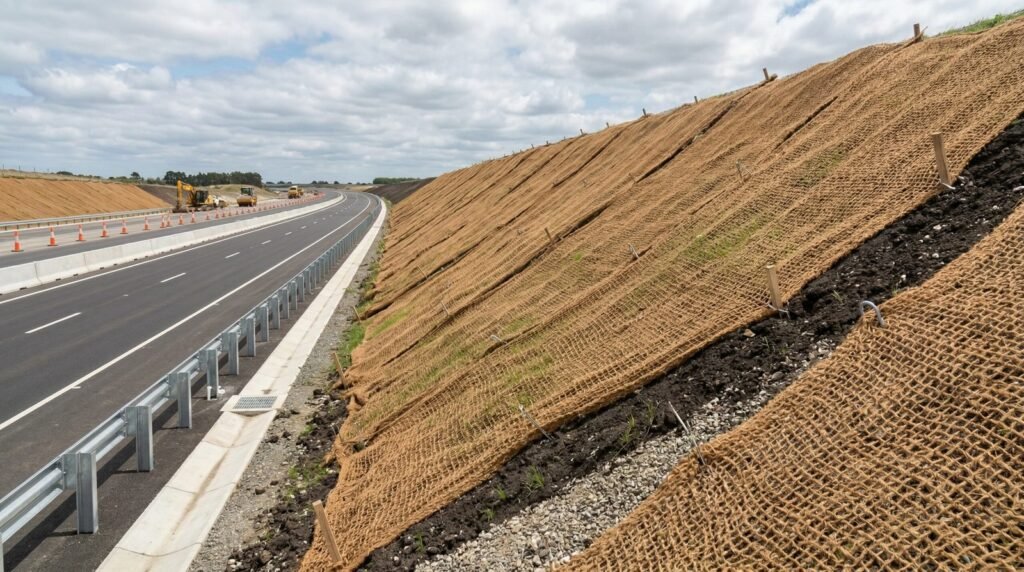
For decades, slope stability within civil engineering has been approached primarily through mechanical intervention. Retaining systems, rock armouring, concrete revetments and synthetic reinforcement products have traditionally formed the backbone of slope protection strategies across infrastructure and development projects. While these systems continue to play an important role in many high load and high risk environments, […]
Within civil engineering and infrastructure delivery, temporary works are frequently viewed through the lens of immediacy: necessary for construction sequencing, vegetation establishment or short term surface protection, but rarely treated as defining components of long term asset performance. In erosion control and slope management, this assumption can be dangerously misleading. The first weeks and months […]
In modern landscaping and gardening, there’s a growing demand for biodegradable, eco conscious materials that don’t rely on plastics or peat. Salike® coir netting or geotextiles checks these boxes beautifully. Crafted entirely from coconut husk fibres, coir netting is peat free, natural, and rich in soil nurturing benefits perfect for anyone investing in sustainable growing. […]
As the world leans toward eco friendly solutions, gardeners, landscapers, engineers, and environmental planners are looking for sustainable alternatives to plastic and harmful peat based products. Enter coir logs biodegradable, peat free, and made entirely from coir: the natural fibre from coconut husks. If you’re new to coir logs, here’s what you need to know. […]
As we approach the monumental milestone of 10 years in business, Salike® is reflecting on a decade of success, growth, and dedication to our customers and the environment. Since launching in 2015, Salike® the parent company of UK’s largest coir portfolio, CoirProducts.co.uk® has been at the forefront of the country’s gardening industry, transforming the way gardeners view […]
Salike®, a leader in innovative and sustainable landscape solutions, is proud to announce the launch of Salike® Drain Sheet, a cutting edge product designed to provide superior erosion control in challenging weather conditions. This exciting product launch marks a significant milestone as Salike® celebrates 10 years of successful operations in the UK. Developed in Japan […]
At Salike®, we’ve never been just another company in the marketplace. Since our inception in 2015, our vision has always been rooted in a deep commitment to ethics, sustainability, and the communities we work with. This is evident from our manufacturing/sourcing operation which began over 20 years ago. While some may focus on profit as […]
Salike Limited has established itself as an industry leader in erosion control and bio engineering, offering a diverse and innovative portfolio of products designed to meet the evolving needs of our environment. Driven by a commitment to sustainability, we provide cutting edge solutions tailored for a variety of erosion control applications. Even prior to the […]